From the musical surroundings of his native Pezinok, his path led to Bratislava and Prague. He became a composer, teacher and a figure who helped shape musical life in Slovakia.
1908
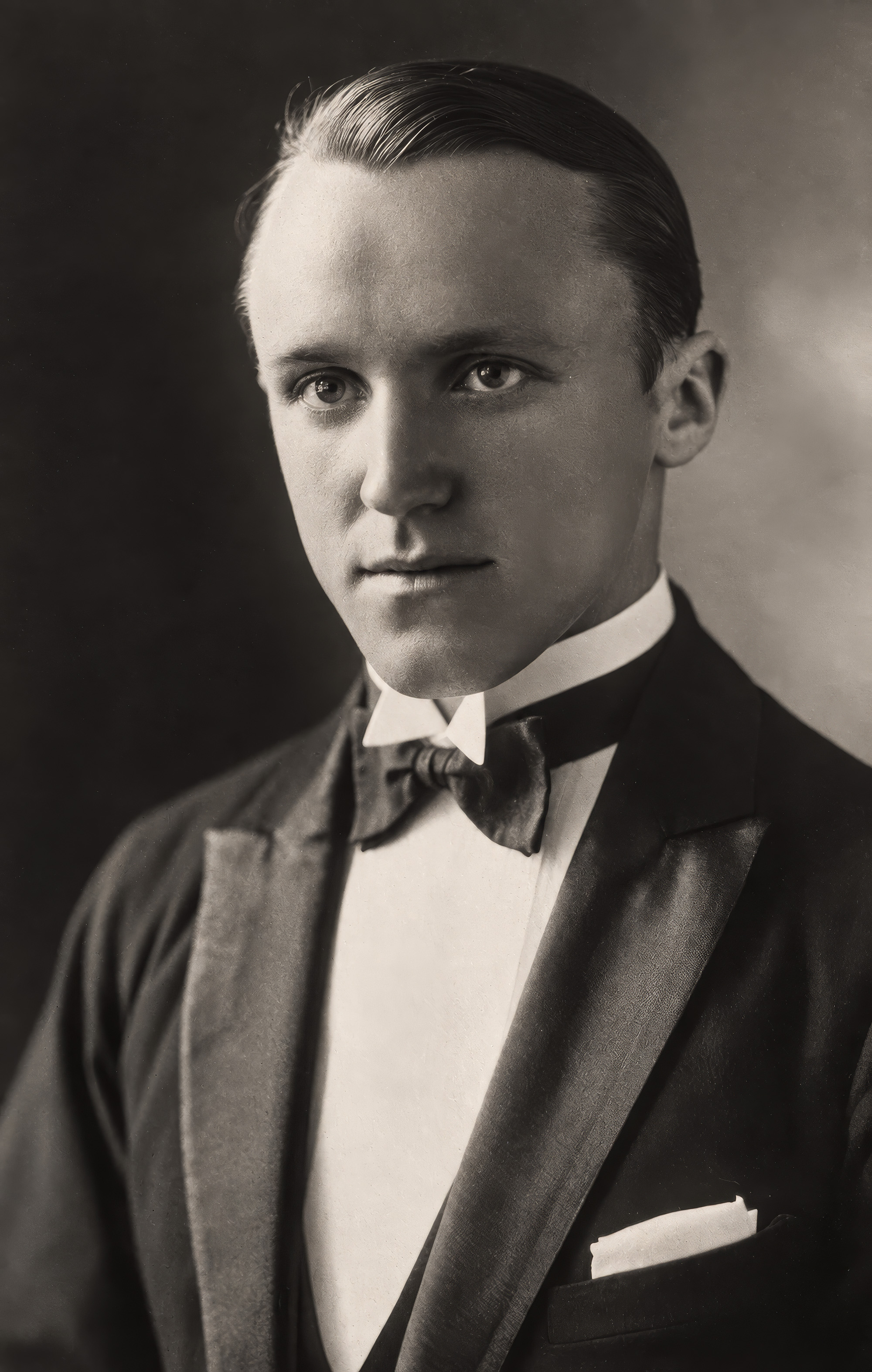
Born on 25 September in Pezinok into an organist’s family.
1931 — 1933
After studying in Bratislava, he continued with Vítězslav Novák in Prague.
1949
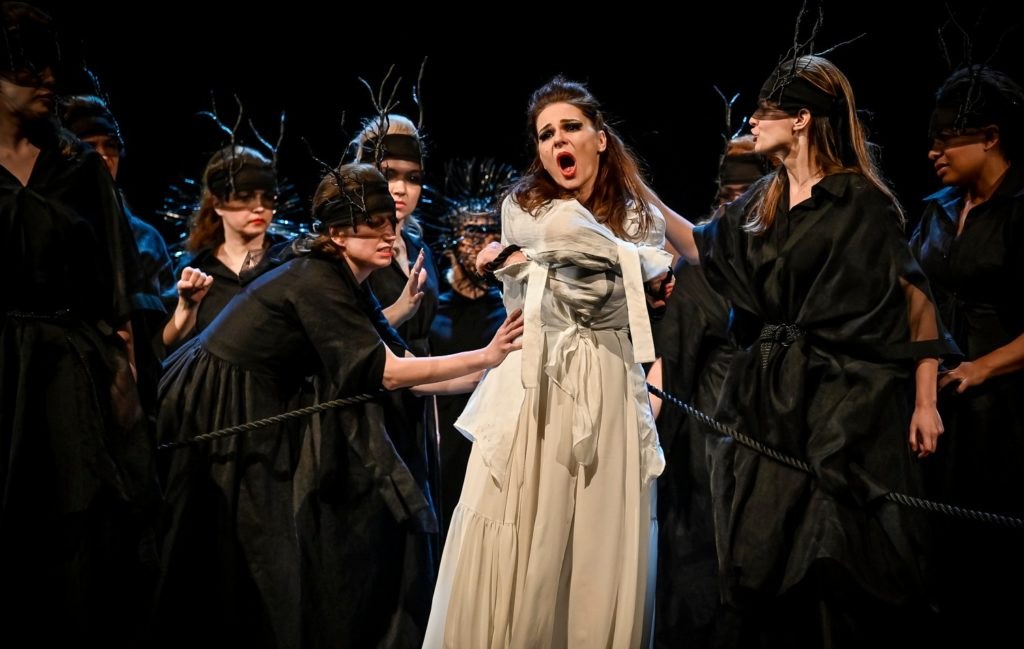
Krútňava reached the stage of the Slovak National Theatre.
1960
The premiere of Svätopluk opened a new chapter in his work.
1993
He died on 5 August in Bratislava. His music remains part of concert life.
From time to time, we’ll share news of concerts, recordings and discoveries from Eugen Suchoň’s family archive.
BIOGRAPHY · 1908–1993
Eugen Suchoň. A life in music.
Eugen Suchoň was a composer, teacher and music theorist. Alongside Alexander Moyzes and Ján Cikker, he helped shape Slovak music in the 20th century. Rooted in his country’s musical traditions, his work embraced the language of modern European music.
Pezinok and his first musical experiences
He was born on 25 September 1908 in Pezinok. Music accompanied his youth in church, at the piano and in the orchestra he led himself. He played for silent film screenings in Pezinok and Modra. Beyond music, he enjoyed painting and football, playing goalkeeper for the Pezinok club. Throughout his life, he returned to his hometown and the Little Carpathians.
Bratislava and Prague
From 1920 he studied piano with Frico Kafenda in Bratislava. Between 1927 and 1931 he continued at the Academy of Music and Drama, studying composition, piano and conducting. Over the next two years he developed his compositional skills with Vítězslav Novák at the master school of the Prague Conservatoire.
The composer and his music
Suchoň’s musical world spans opera, orchestral and chamber works, songs and choral music. Folk melodies find new expressive possibilities within it. His major works include the song cycle Nox et solitudo, the cantata Psalm of the Subcarpathian Land and the symphonic Metamorfózy.
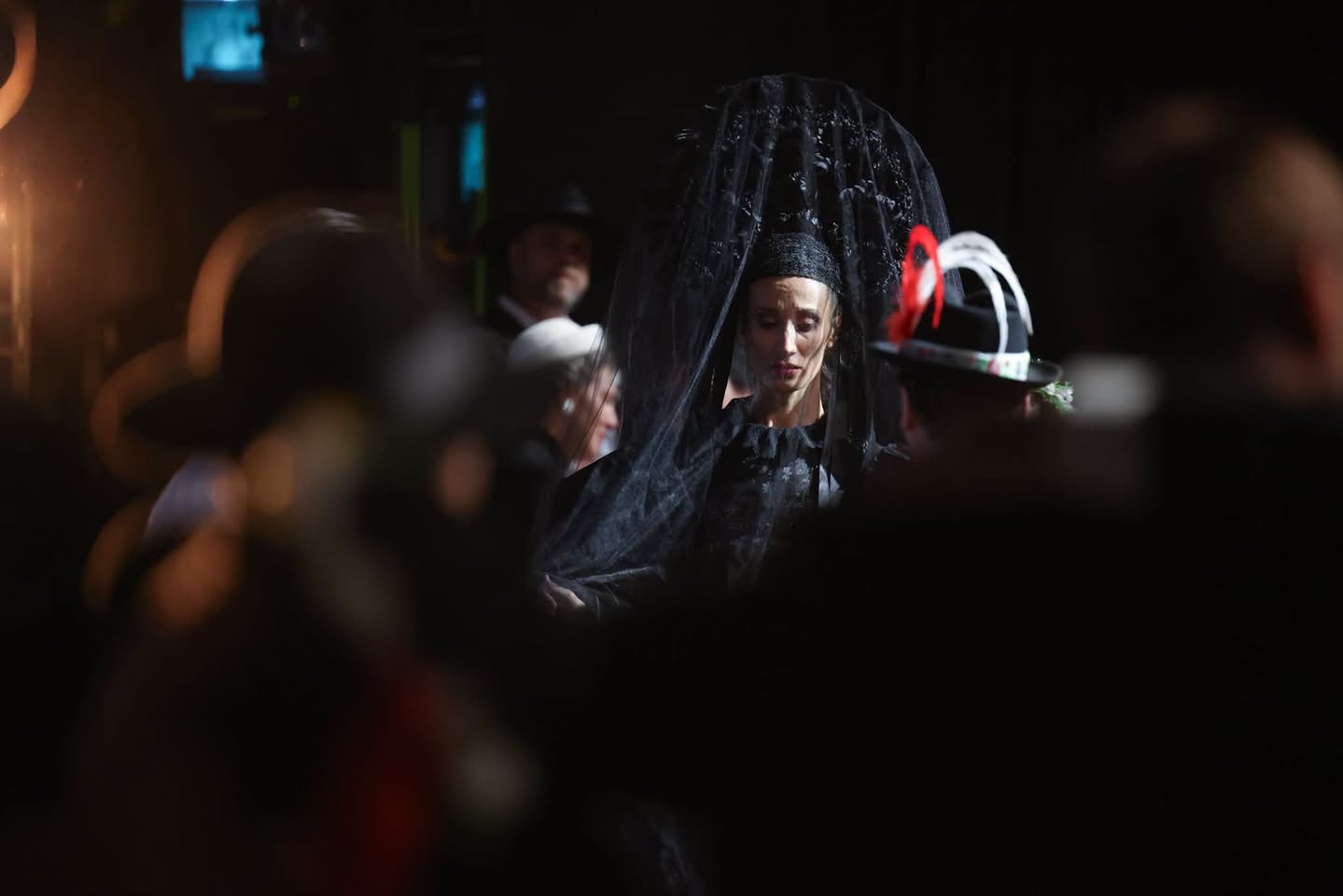
A special place belongs to the operas Krútňava and Svätopluk. Krútňava premiered at the Slovak National Theatre in 1949; Svätopluk followed in 1960. These works reveal two different sides of his operatic output: a personal drama of conscience and a historical story of power and responsibility.
Teacher and theorist
From 1933 he taught music theory in Bratislava, later also composition. His teaching career continued at university level; between 1963 and 1974 he lectured at the Faculty of Arts of Comenius University. He also devoted himself to music for children and young people, folk songs and theoretical writing.
Recognition and legacy
He was awarded the title of National Artist in 1958, an honorary doctorate from Comenius University in 1969 and the Herder Prize in 1981. He died on 5 August 1993 in Bratislava. His compositions, teaching and surviving documents form an important part of Slovakia’s cultural heritage.

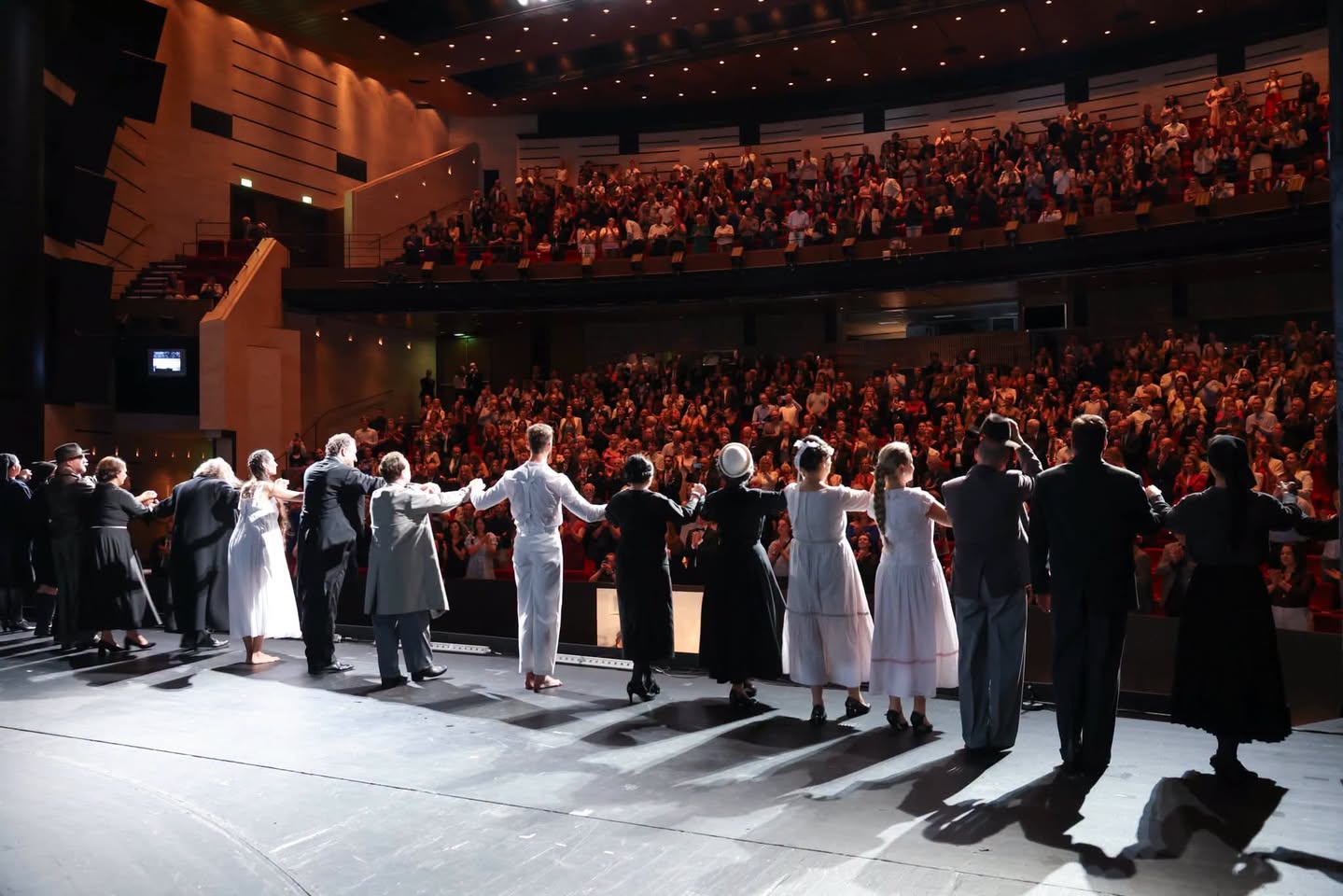 PHOTO: JOZEF BARINKA / NATIONAL THEATRE KOŠICE